Sources checked 3 November 2026 · Confirm your date with the provider
Some links are affiliate links. We may earn a commission on qualifying bookings at no extra cost to you. This does not determine your price or guarantee availability.
Count the usable time, not the calendar labels
A Saturday arrival and Sunday departure do not necessarily provide two full sightseeing days. The Mumbai or Pune transfer, hotel check-in and return journey all use time. Before reserving activities, mark when you will actually reach Nashik and when you need to leave. The remaining windows determine what can be done comfortably.
This is an editorial outline rather than a live timetable. Adapt the order to confirmed venue sessions, weather and transport. If arrival is late, keep that evening simple and protect the next morning. If departure is early, one main afternoon activity may be the most realistic version of the trip.
Option A: a wine-country overnight
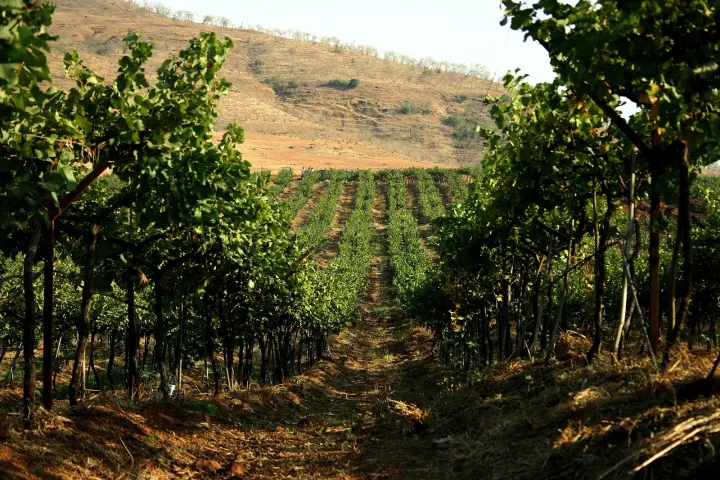
Arrive with enough time for a meal and check-in, then take one confirmed winery tour or tasting. Staying at an estate-oriented property can work well when you want the afternoon and evening to feel unhurried. Clarify whether the tasting is at the hotel itself or another entrance, and arrange any transfer before drinking.
The next morning, enjoy the stay you paid for rather than automatically adding three more wineries. A short permitted scenic stop or a nearby cultural visit may fit before departure, depending on the route. If a serious comparison of estates is the main purpose, use a dedicated driver and two confirmed sessions instead of mixing in distant temple stops.
Option B: city heritage with one winery visit
Choose a city base and use the first available half-day for Panchavati or a guided old-city walk. A guide can explain the relationship between the river, markets and sacred sites without requiring you to navigate every lane alone. Keep time for a proper meal and a restful evening, particularly after a long intercity journey.
On the second day, choose one winery appointment only if it fits the departure. Alternatively, visit Pandavleni in a suitable weather window and leave wine for another trip. The aim is variety, not a compulsory tasting. Read the old-city guide and the cave guide to choose according to interests and physical comfort.
Option C: a Trimbakeshwar-focused visit
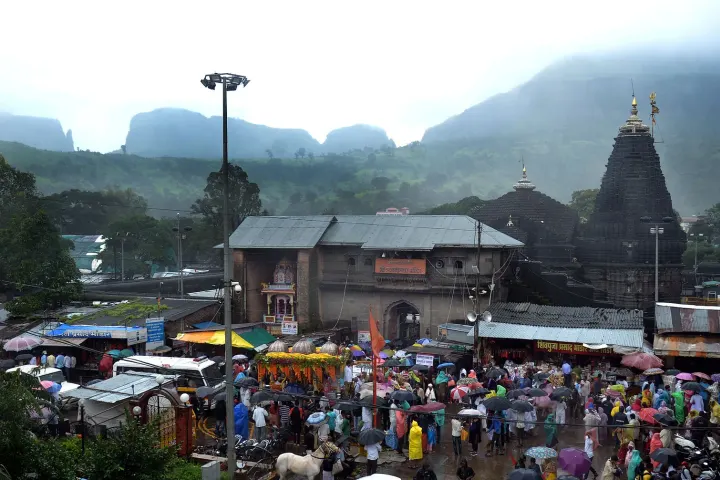
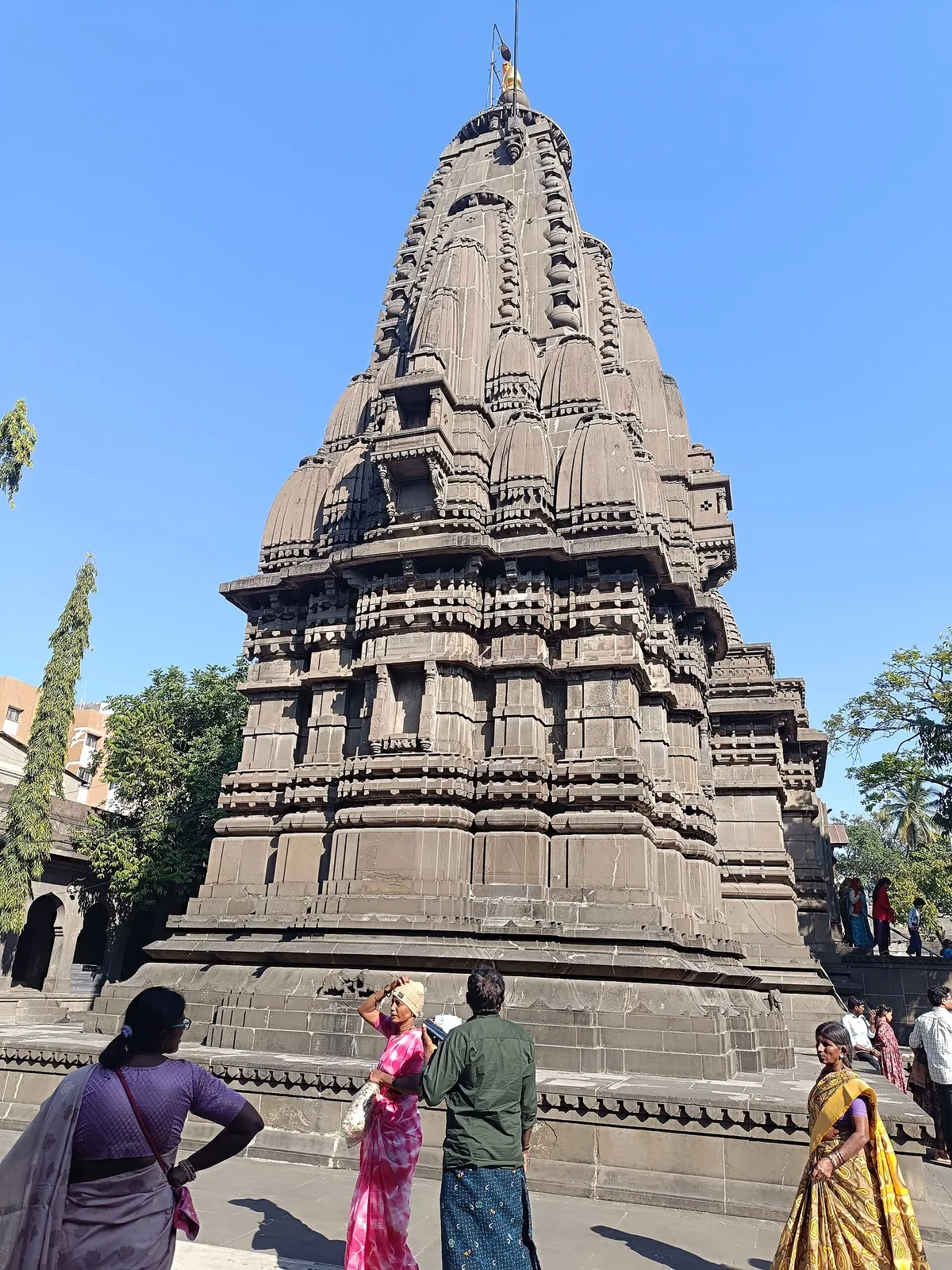
If Trimbakeshwar is the purpose of the trip, plan the hotel and vehicle around the temple visit and the official service you intend to use. Queue time can be uncertain. Do not attach a tightly timed paid tasting to the end of the visit unless the provider can offer a realistic, flexible arrangement.
Use any spare time for a respectful local visit or meal rather than automatically adding a strenuous hill climb. A city-side evening can include the Godavari area if the group has the energy and access is normal. During major pilgrimage dates, use the current crowd and transport instructions instead of this ordinary-weekend outline.
Use one base for a short stay
Moving hotels during a one-night trip rarely adds value. Choose an estate stay for time in wine country, or a city hotel for a mix of cultural visits and transport connections. Compare the actual check-in time and any luggage-storage arrangement if you arrive before the room is ready.
The accommodation guide includes premium retreats and practical value options. Spend on the room features you will use. A beautiful resort can be poor value if you arrive late, leave early and spend the only full afternoon driving elsewhere. Conversely, an estate stay can be the main experience when you deliberately leave room to enjoy it.
Keep one sensible alternative
For rain or uncomfortable heat, replace an exposed walk with a confirmed indoor visit, a meal or time at the hotel. Do not substitute a more hazardous waterfall or hill outing simply because the original plan is unavailable. A shorter programme is preferable to an improvised route with uncertain access.
If a winery appointment changes, ask about the provider’s substitution and cancellation terms. If the main purpose of the trip is a specific estate, a different winery may not be an equivalent replacement for you. Keep the important reservation details in writing and avoid making every activity non-refundable before the transport is settled.
A flexible sequence to adapt
For a mixed first visit, an arrival meal and old-city session followed by one overnight can provide a useful introduction. The following morning can hold a cave visit or one pre-booked winery session, depending on the onward journey. Choose one, rather than promising both in a narrow window. Leave time to collect luggage and reach the real departure point.
If this still feels rushed, the answer is a second night or a narrower theme. Use the three-day version for a full dedicated outing between transfer days. The trip brief helps record the starting point, preferred experience and constraints so that a provider can respond to a concrete plan.
| Available window | Good use | Avoid |
|---|---|---|
| Arrival afternoon | One local activity after the transfer | Several timed appointments |
| Evening | A meal near the chosen base | Unplanned long return after tasting |
| Departure morning | One short compatible visit | An uncertain queue before a fixed connection |
Questions before you go
Can I include Sula, Trimbakeshwar and every city sight in one night?
It is better to select a main purpose and a complementary visit. Transfers, queues and check-in reduce the usable time.
Should I stay at two hotels?
For a one-night trip, choose one base. Moving accommodation would add handling without giving you another full day.
What if I arrive late?
Keep the evening simple and focus the following day on the main experience. Do not compensate by removing all rest and meal time.
Is this a bookable fixed itinerary?
No. It is an editorial framework to adapt to current transport, opening arrangements and confirmed appointments.
Sources & editorial notes
We use official tourism and heritage records, operator information and accommodation listings. The notes below list each publisher once; the full bibliography retains individual sources. A source check is not a live operating-status check.
View the source bibliography →