Sources checked 3 November 2026 · Confirm your date with the provider
Some links are affiliate links. We may earn a commission on qualifying bookings at no extra cost to you. This does not determine your price or guarantee availability.
Give each day a different job
Use the first day to arrive and orient yourself, the middle day for the main experience, and the final day for a modest visit that fits the onward connection. This structure works better than treating every day as equally available. It also provides a little flexibility if the arrival runs late or an outdoor activity needs to move.
Choose the base according to the main day. A wine-country property suits a leisurely estate visit; a city hotel gives more flexibility for a mixed itinerary. If you prefer a package, compare the exact hotel, guide and meal inclusions with an independent arrangement. Our tour cards distinguish Nashik-based and Mumbai-departure three-day products.
Day one: arrive, eat and meet the city
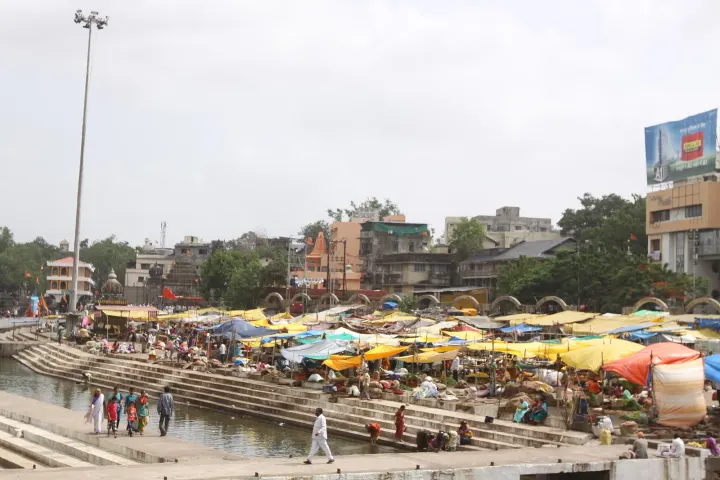
After the transfer, check in or leave luggage under an agreed arrangement and have a meal. If time and energy allow, explore Panchavati with a guide or take a shorter visit to the Godavari-side area. The value is in understanding what you see, not reaching every temple on a list. Follow the current rules for photography, footwear and access.
If the arrival is late, move the cultural outing to the final morning or leave it for another trip. A nearby dinner and an early night can be the right first day. Avoid making a non-refundable premium tasting the first event after an uncertain long-distance journey. Keep the evening transport simple and save the hotel details offline.
Day two: a dedicated wine-country day
Begin with one confirmed estate session and a non-drinking driver. Choose the western corridor or the southern Grover–Vallonné area rather than assuming both fit casually into one day. Arrange lunch and decide whether a second tasting adds something you want to compare. A relaxed meal and time at the hotel can be a better second half of the day.
Use the complete-price guide to separate entry credit, tasting and transport costs. If a group includes non-drinkers, agree their option before booking. End with a confirmed return ride or a meal at the accommodation. There is no need to add a late cross-city outing simply to make the day look fuller.
A pilgrimage or heritage main day instead
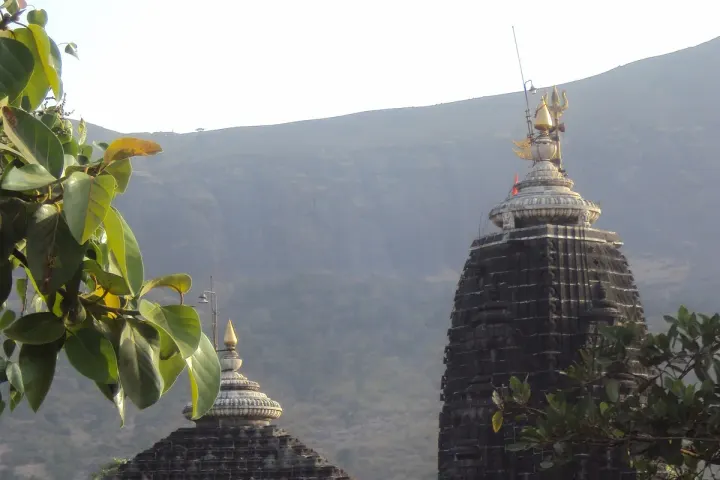
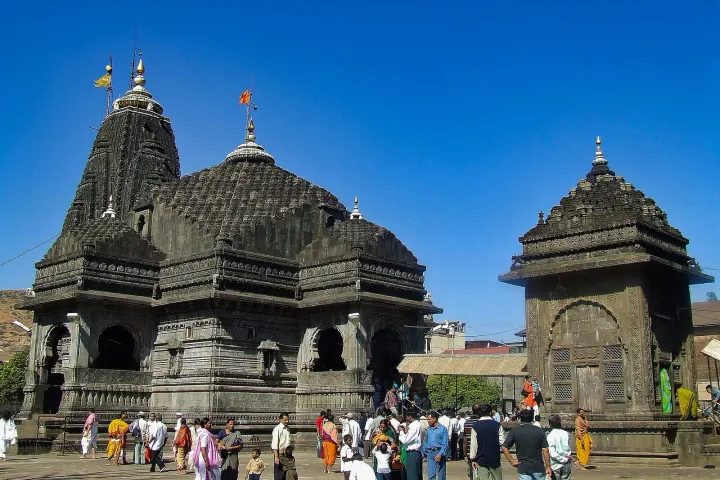
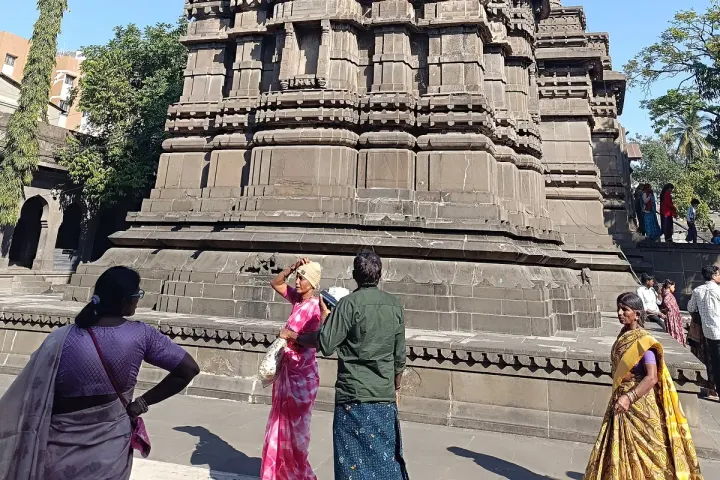
For a non-wine trip, make Trimbakeshwar the main outing and allow enough time for the official service, queue and journey. Alternatively, combine Pandavleni with a city-based cultural visit if the group is comfortable with the climb and the weather. These alternatives have their own interest and should not be presented as consolation activities for people who do not drink.
A dedicated guided day can help with interpretation and logistics, but confirm what the guide actually covers. Transport to a temple is not a ritual booking, and a driver is not automatically an archaeological guide. Ask about language, walking distance and any entry costs. Choose the provider for the experience you want to understand.
Day three: one final stop, then depart well
Use the last morning for the activity that fits the location and time you have left. From a southern-city hotel, Pandavleni may be a logical consideration if the climb and weather suit you. From wine country, a relaxed breakfast and a permitted local stop may be more sensible. From a city base, a short food or heritage outing can work with a later departure.
Leave time for checkout, luggage collection and the journey to Nashik Road station, Ozar airport or the intercity pickup. Do not build the final morning around an unpredictable queue. If travelling onward to Mumbai for a flight, consider whether a night in Mumbai is appropriate instead of relying on an optimistic same-day connection.
Add a new area only when you have another day
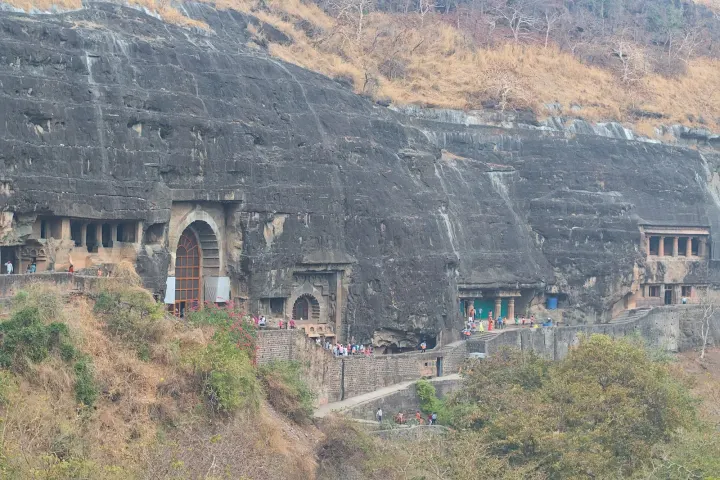
Igatpuri, Kalsubai and the Ajanta–Ellora region can extend the trip, but they should not be squeezed into a spare half-day. A trek requires its own equipment, fitness and weather decision. A cave circuit may finish in another city and exclude accommodation. Read the regional guide and the actual tour itinerary before changing the onward booking.
For a longer stay, splitting a city and estate base can work, or an Igatpuri night can fit the route toward Mumbai. For only two nights, one base usually keeps the trip simpler. Let the geography determine the extension rather than choosing whichever attraction appears next in a search result.
Confirm the pieces in the right order
Set the intercity travel window, choose the main experience, then book the base that supports it. Confirm important appointments before making the room non-refundable. Fill the remaining time with flexible activities and meals. This leaves the plan coherent even if a secondary stop becomes unavailable.
Before departure, recheck current weather, venue notices and major pilgrimage dates. Keep the selected tour option, hotel address and return arrangement together. The planning brief is designed to help organise these decisions; it does not check live availability or certify that a route is open.
| Day | Main purpose | Flexible element |
|---|---|---|
| Arrival | Transfer and settle | Short old-city visit |
| Full day | Wine, pilgrimage or heritage anchor | Meal and nearby stop |
| Departure | One compatible activity | Leave early if conditions require |
Questions before you go
Is two nights enough for a first visit?
It gives a useful framework for one full outing plus arrival and departure activities. It does not cover every winery, temple and regional extension.
Can this itinerary work without wine?
Yes. Use Trimbakeshwar, Pandavleni, the old city and food as the main experiences, with suitable pacing and access checks.
Should I book a multi-day package?
It can simplify coordination. Compare the actual hotel, room occupancy, guide coverage, meals and entry inclusions with independent booking.
Can I add Ajanta and Ellora on the final afternoon?
No. Treat them as a separate regional circuit with travel, weekly opening arrangements, accommodation and an onward destination.
Sources & editorial notes
We use official tourism and heritage records, operator information and accommodation listings. The notes below list each publisher once; the full bibliography retains individual sources. A source check is not a live operating-status check.
View the source bibliography →