Sources checked 3 November 2026 · Confirm your date with the provider
Some links are affiliate links. We may earn a commission on qualifying bookings at no extra cost to you. This does not determine your price or guarantee availability.
Choose the activity before choosing the season
A wine-focused visit can centre on an indoor tasting and a meal, while Pandavleni, a city walk or a hill trek requires more time outdoors. A resort break may still be enjoyable in rain if the property and room suit that plan. Decide which experience is essential, then judge the season against that experience rather than a generic best-time label.
The broad seasonal patterns below are planning context. They do not confirm opening status, visibility or safe access on a particular date. Check current forecasts and local notices before departure, and ask the provider how weather changes affect the booked activity. Keep one alternative that does not depend on the same conditions as the main plan.
The cooler part of the year suits a varied itinerary
The cooler months are a practical period for combining walks, cultural sites and wine-country visits. Early starts and evenings can feel different from exposed midday conditions, so bring layers and water rather than packing for a single temperature. A pleasant city forecast does not remove the effort involved in a cave ascent or a sustained trek.
Popular weekends and holidays can still be busy. Confirm estate sessions and restaurant tables rather than assuming that comfortable weather means easy walk-in availability. If quiet is a priority, compare dates and ask the hotel about events. A cooler month can be attractive for both leisure guests and celebrations.
January–March is a crop-season reference
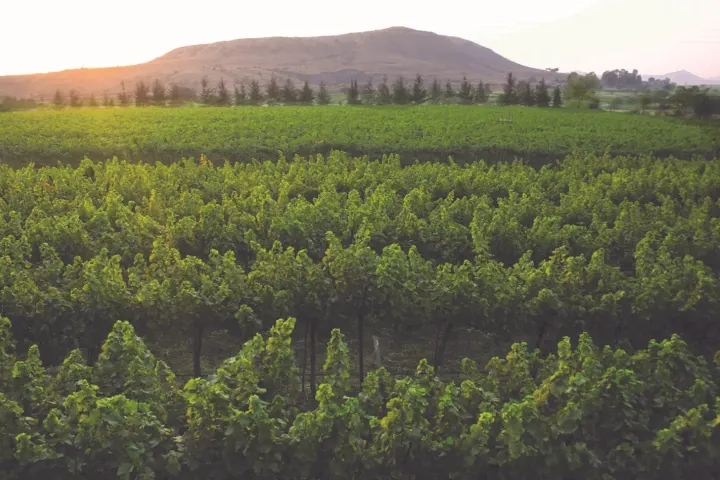
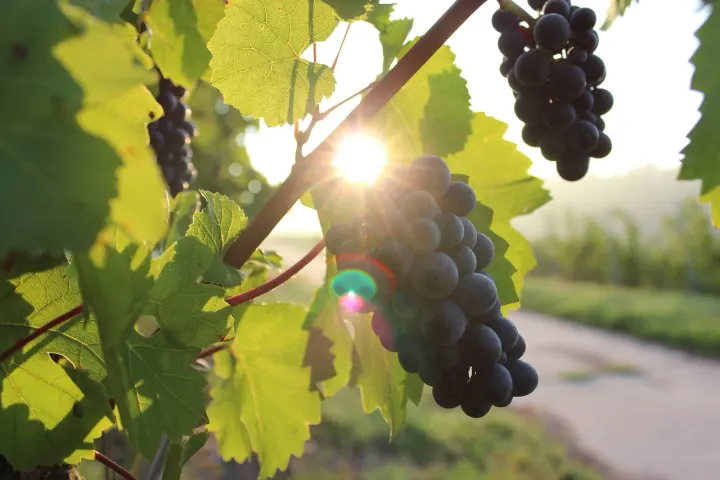
Sula places its harvest period broadly in January to March. This is useful for visitors interested in winemaking, but the actual work depends on the grape variety, estate and date. A normal visitor ticket does not guarantee field access, picking or grape stomping. Ask what will be visible or included during the booked session.
Read the harvest guide before building a trip around a promotional image. If production activity is unavailable, a guided explanation and tasting can still be worthwhile. The important question is whether that experience meets your purpose, not whether the calendar month has been labelled harvest season in a travel article.
Reduce exposed activity in hotter conditions
During hotter periods, plan the more physical outdoor element for a comfortable window and leave room for breaks. A seated meal or confirmed indoor winery visit can provide a different pace. Avoid stacking a long old-city walk, a cave climb and a road transfer without recovery time, particularly for children or older travellers.
Carry water, use sun protection and adjust the plan to the group’s comfort. Check the actual forecast rather than relying on a monthly average. If someone is affected by heat, shorten the outing and seek appropriate help when needed. A paid booking is not a reason to ignore the conditions or a traveller’s needs.
Monsoon greenery changes the risk and the itinerary
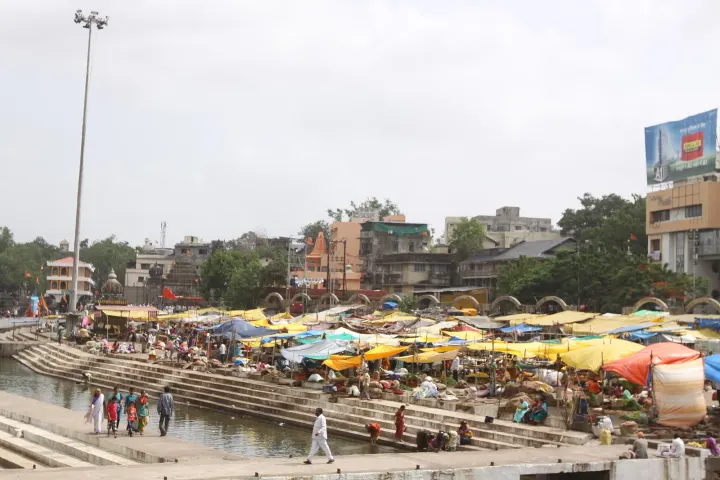
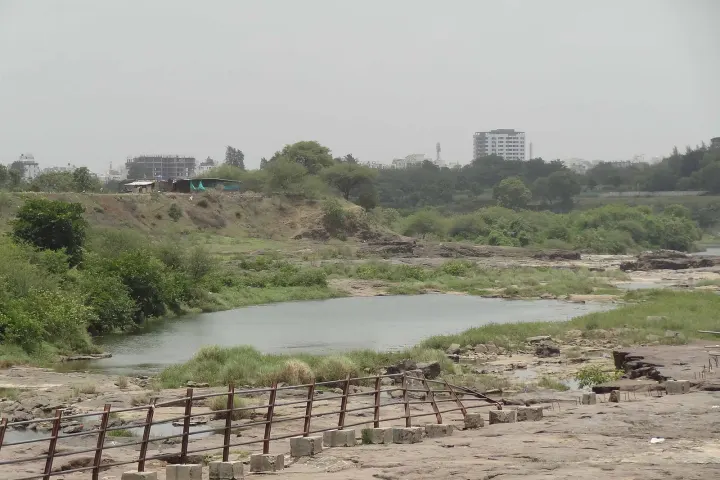
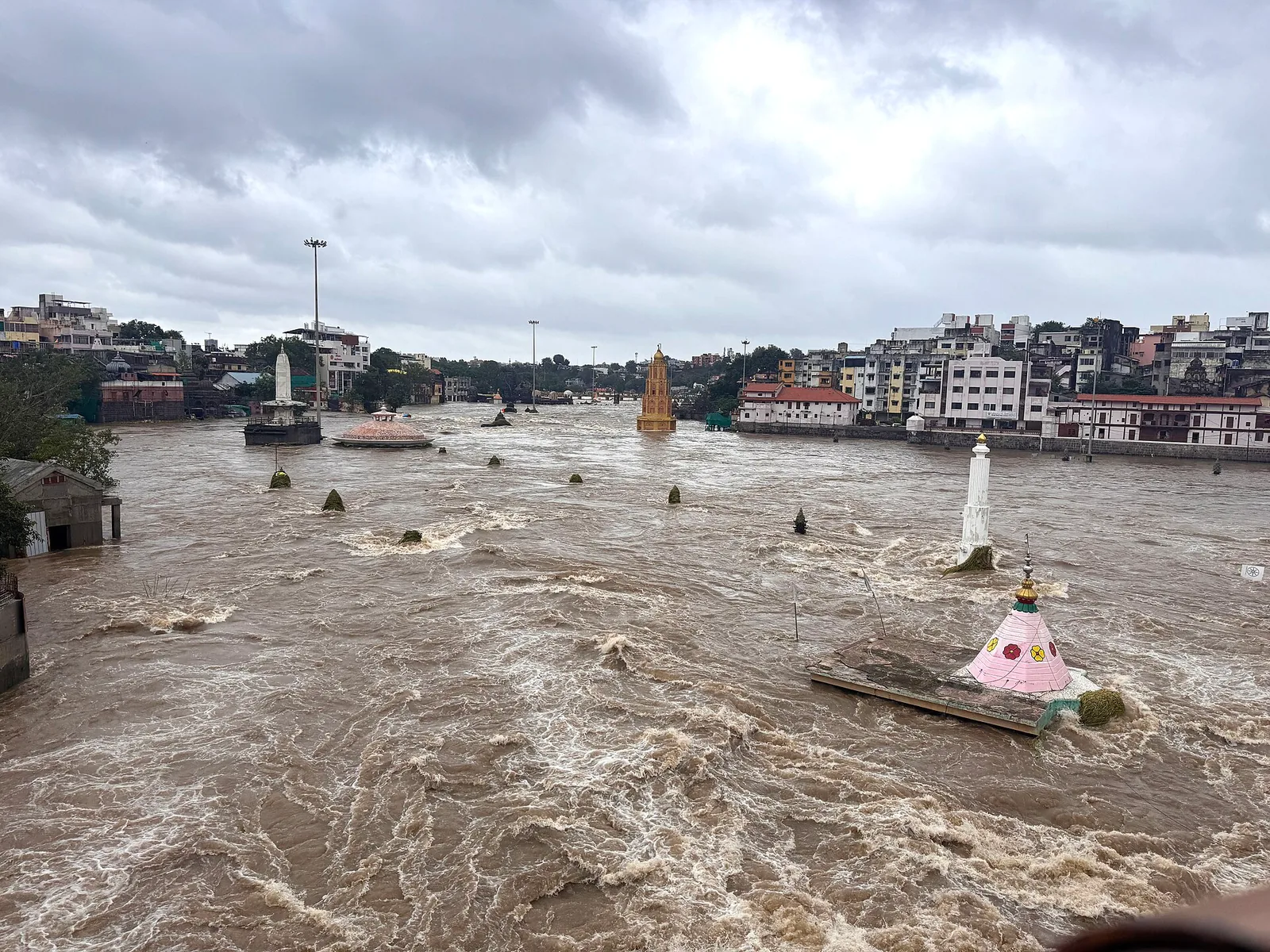
Rain can make the countryside greener and the rivers more dramatic, while also making road travel and outdoor access less predictable. The Godavari ghats, waterfall approaches and hill paths need current local assessment. A photograph of a popular monsoon spot is not evidence that it is permitted or suitable to visit during a warning.
Choose an accommodation and backup plan that remain enjoyable in persistent rain. Confirm whether an estate tour has indoor components and how cancellations work. Do not replace a cancelled walk with an informal waterfall scramble. The river and reservoir guide explains why general sightseeing descriptions should not be read as permission to enter the water.
Use forecasts and observations for their different purposes
IMD provides current weather and warning information. The district also publishes rainfall information, which records observations rather than promising future conditions. Check the relevant place and date, and look for warnings affecting the road route or wider area, not only the temperature at the hotel.
For a trek, combine official weather information with the operator’s current route decision. For a temple or riverfront visit, follow local authority access instructions. The website’s planner does not show a live open-or-closed indicator because we cannot reliably certify that status. It helps organise choices and points you toward the appropriate current sources.
Check the event calendar alongside the forecast
Major pilgrimage dates can affect room availability and road access even in otherwise favourable weather. The official Simhastha schedule identifies a main Mela period in 2027 and specific events in Nashik and Trimbakeshwar. Wine-country visitors should check those dates too, because the impact is not limited to the temple gate.
Use the Kumbh planning guide, confirm your main reservation and keep transport flexible where possible. The best plan is one that fits the activity, the people and the actual date. A broad seasonal recommendation is only the first step.
| Your priority | Seasonal consideration | Final check |
|---|---|---|
| Harvest interest | Sula’s broad January–March period | Actual estate activity |
| Walking and caves | Comfort in exposed conditions | Forecast and site access |
| Green scenery | Rain can affect roads and river levels | Warnings and permitted viewpoints |
| Pilgrimage | Major event dates and managed access | Authority notices and transport plan |
Month-by-month climate in brief
Long-term averages give a useful outline of Nashik's year. The cool, dry season from November to February brings daytime highs of around 28 °C and night-time lows that can fall to about 10 °C. April and May are the hottest months, with average highs near 37 °C. Most of the roughly 850 mm of annual rain falls between June and September, with July the wettest month.
Averages describe a typical year, not your dates. A late monsoon, an early heatwave or a cold snap in January can all change the experience, so use the table to choose a season and the IMD forecast to plan the days.
| Months | Typical conditions | Good for |
|---|---|---|
| November–February | Dry, sunny days near 28 °C; cool nights around 10 °C | Combined wine, heritage and walking trips |
| January–March | Grape harvest period at the estates | Wine-focused visits; check event dates |
| March–May | Heat builds; April–May highs near 37 °C | Early-morning sightseeing, indoor tastings, resort stays |
| June–September | Monsoon; July about 240 mm, August about 200 mm, September about 170 mm | Green scenery with weather warnings checked; flexible plans |
| October | Rain usually easing, landscape still green | Transition trips; confirm road and trail conditions |
Questions before you go
What is the best month for every activity?
There is no universal answer. Match the season to the activity, then check the actual forecast, opening arrangements and event calendar.
Does a green monsoon photograph mean a waterfall is safe?
No. Follow current restrictions and local instructions. Water conditions and access can change quickly.
Does district rainfall data predict my weekend?
No. Recorded rainfall and a current forecast serve different purposes. Use IMD forecasts and warnings for near-term planning.
Does the planner provide live weather clearance?
No. It organises travel decisions and links to current sources; it does not certify conditions or access.
Which is the wettest month in Nashik?
July, with a long-term average of about 240 mm. June to September brings most of the roughly 850 mm annual rainfall.
Sources & editorial notes
We use official tourism and heritage records, operator information and accommodation listings. The notes below list each publisher once; the full bibliography retains individual sources. A source check is not a live operating-status check.
- India Meteorological Department ↗
- Nashik District Government ↗
- Sula Vineyards ↗
- Nashik–Trimbakeshwar Kumbh Mela Authority ↗
- Maharashtra Tourism ↗
- Wikipedia ↗