Sources checked 3 November 2026 · Confirm your date with the provider
Some links are affiliate links. We may earn a commission on qualifying bookings at no extra cost to you. This does not determine your price or guarantee availability.
A neighbourhood with several layers of meaning
Panchavati lies beside the Godavari in Nashik and is closely associated with the Ramayana tradition. The name is linked to five banyan trees in local religious interpretation. Those beliefs are central to the area’s significance, but they should be described as tradition rather than presented as archaeological proof of events in the epic.
The visit also includes architecture, commerce and daily life. Temples, shops and riverfront spaces sit within a busy city. A useful walk connects these layers instead of treating each building as an isolated photo stop. Begin with a clear meeting point and a guide who can explain the places respectfully, or choose a small number of sites for an independent visit.
Ramkund: leave room for worship and privacy
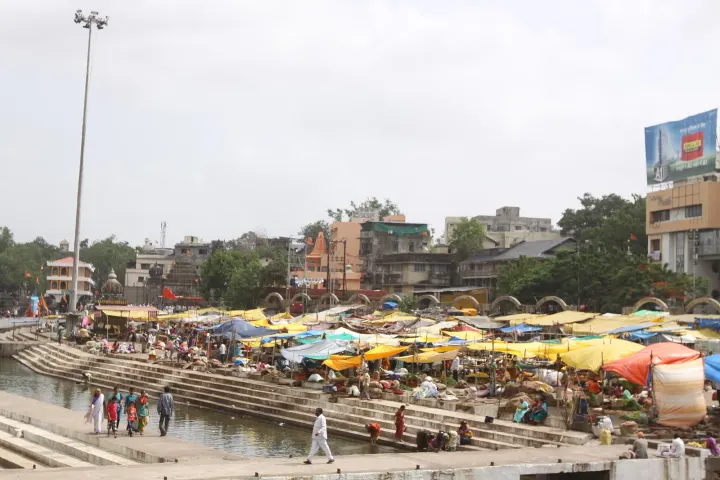
Ramkund is an important sacred riverfront site associated with bathing and religious rites. Visitors may encounter deeply personal ceremonies as well as ordinary movement through the ghats. Observe from an appropriate distance, avoid blocking routes and ask before photographing people. A wide view of the setting is different from a close image of someone’s private ritual.
Treat the water and steps with caution, especially after rain or when access is restricted. Religious significance is not a statement about water quality or a recommendation to enter. Follow barriers and current instructions. If you are participating in a ritual, arrange it through a trusted, clearly identified service and understand the terms before agreeing.
Kalaram: sacred art and social history
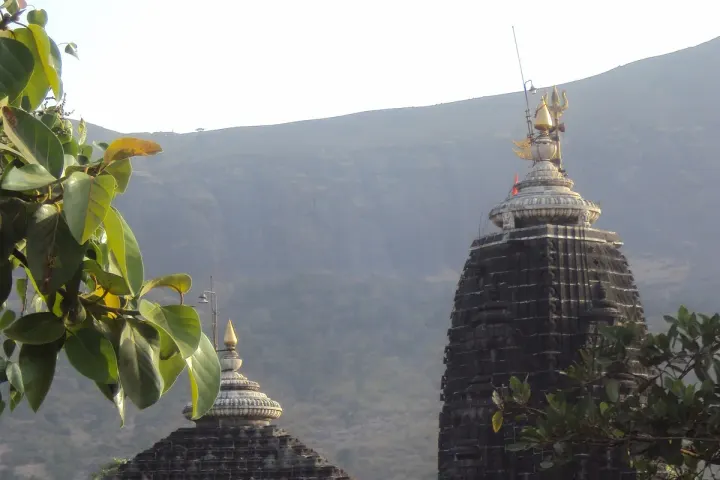
Kalaram Temple is associated with the black-stone image of Rama, with Sita and Lakshmana also represented. Its significance extends beyond the building’s appearance. Maharashtra Tourism notes the temple-entry movement led by B. R. Ambedkar, making it an important place to understand the history of caste discrimination and the struggle for access.
A guide can help connect that social history with the temple’s religious role without reducing either to a slogan. Follow the current entry and photography rules, remove footwear where instructed and avoid interrupting worship. If you want a detailed explanation, agree this with the guide beforehand; a general city drive may provide only a brief stop.
Sita Gufa is a confined visit
Sita Gufa is linked to local Ramayana tradition and reached by a narrow approach. Official visitor material describes tight steps and limited space. This matters for anyone with restricted mobility, claustrophobia or difficulty moving through a crowd. It should not be described as a universally easy attraction simply because the visit is short.
You can still understand the place’s significance without forcing an unsuitable descent. Ask about current crowd management and choose whether entering is appropriate for your group. Do not push against the flow or stop in a narrow passage to take photographs. Families should keep children close and agree on a meeting point outside if part of the group stays back.
Let the route follow access and interests
A practical old-city session can connect the riverfront, selected temples and market streets, but the exact sequence should respond to opening arrangements, crowds and the meeting point. Our verified walking product names Ganga Tea House and describes a roughly three-hour heritage experience. Check the current itinerary and whether the finish is at the same place.
Ask about walking distance, seating, toilets and food stops. Wear footwear that is comfortable to walk in and easy to remove where required. Carry water and avoid a heavy bag that becomes awkward in crowded lanes. If you arrive by car, establish the permitted drop-off and return meeting point rather than expecting the vehicle to follow every part of the walk.
Make a food stop part of the experience
A market visit can show another side of Nashik through produce, household goods and everyday trading. Ask before photographing a stallholder and avoid blocking a customer’s access for a picture. Buy something you actually want rather than treating every interaction as a staged cultural performance. Carry small change where practical.
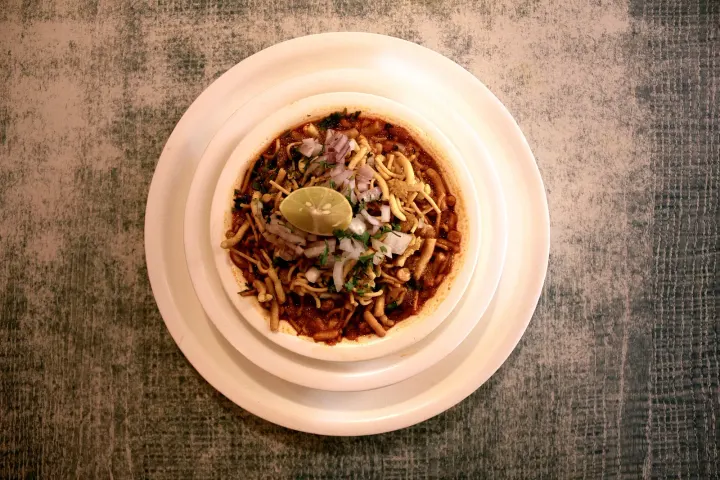
If the walk includes snacks, tell the provider about allergies and dietary needs before booking. Misal pav and other local foods can be spicy or contain ingredients that are not obvious from the name. Use the food guide to understand the choices. A seated break also helps make a longer walk more comfortable for a mixed-age group.
Change the plan for rain and major gatherings
Waterfront access, crowd patterns and vehicle routes can change during heavy rain or major pilgrimage events. Check current local notices and do not use an old walking map as permission to pass a barrier. During Simhastha, ordinary sightseeing advice may not reflect the managed routes and restrictions in force.
Read the pilgrimage-calendar guide if your dates overlap important events. For a normal visit, leave enough time to pause and ask questions rather than racing to another timed booking across the city. Panchavati is often most rewarding as a focused cultural session with a meal afterwards, not as a hurried prelude to several wineries.
Kalaram Temple: dates worth knowing
The present Kalaram Temple was rebuilt in black stone in the eighteenth century with funding from Sardar Rangarao Odhekar. Local tradition holds that he recovered the black image of Rama from the Godavari after seeing it in a dream; the name itself means black Rama. The sanctum also holds images of Sita and Lakshmana, and a black Hanuman image stands at the entrance.
The temple has a central place in India's social history. On 2 March 1930 B. R. Ambedkar led a satyagraha demanding entry for Dalits, and the campaign continued until 1935. Visitors who know this can read the temple as both a living place of worship and a landmark in the struggle against caste exclusion.
- 18th century: present temple rebuilt, funded by Sardar Rangarao Odhekar.
- Images: black-stone Rama with Sita and Lakshmana; Hanuman at the entrance.
- 2 March 1930: temple-entry satyagraha led by B. R. Ambedkar begins.
- 1935: the satyagraha campaign ends.
Questions before you go
Are Ramayana associations presented as historical proof?
No. They are described as religious tradition and local belief. The guide distinguishes those meanings from documented architecture and social history.
Is Sita Gufa suitable for everyone?
The narrow steps and confined space can be unsuitable for some visitors. Ask about current conditions and choose an outside explanation if entering does not suit you.
Can I photograph rituals at Ramkund?
Respect privacy and ask before photographing people. Follow site rules and avoid intrusive images of personal ceremonies.
Does the heritage walk include hotel pickup?
The verified listing uses a named meeting point and does not include hotel pickup. Check the selected option and arrange your own transfer where needed.
Why is Kalaram Temple important in social history?
On 2 March 1930 B. R. Ambedkar led a satyagraha there demanding temple entry for Dalits; the campaign continued until 1935.
Sources & editorial notes
We use official tourism and heritage records, operator information and accommodation listings. The notes below list each publisher once; the full bibliography retains individual sources. A source check is not a live operating-status check.
- Nashik District ↗
- Simhastha Kumbh Mela Authority ↗
- Maharashtra Tourism ↗
- GetYourGuide ↗
- Nashik City Police ↗
- Wikipedia ↗