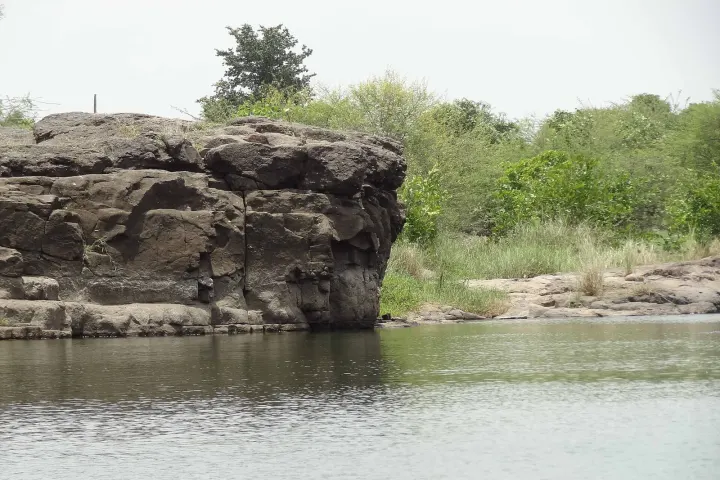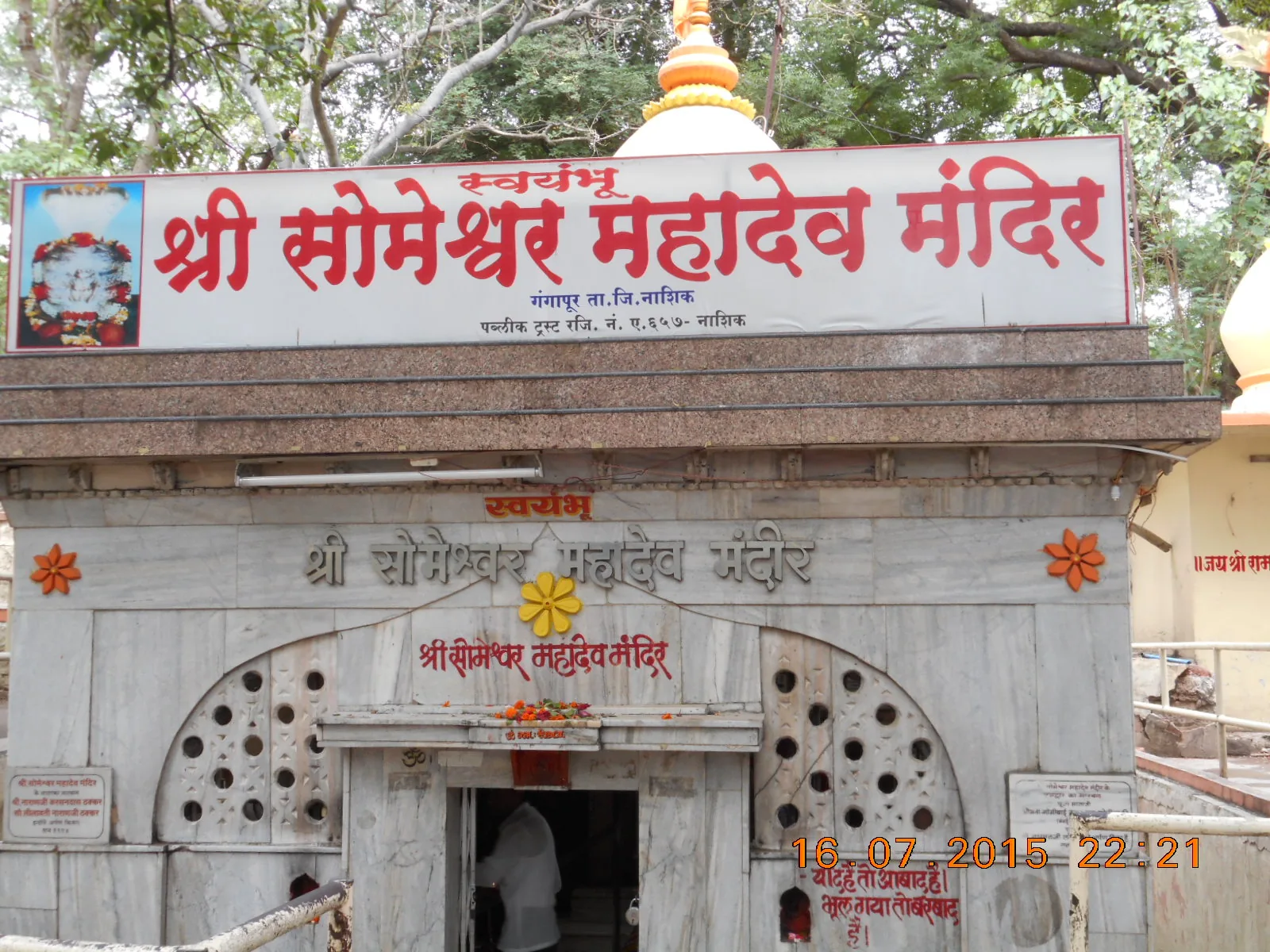
Sources checked 3 November 2026 · Confirm your date with the provider
Some links are affiliate links. We may earn a commission on qualifying bookings at no extra cost to you. This does not determine your price or guarantee availability.
The published sequence spans more than one year
The Nashik–Trimbakeshwar Kumbh Mela Authority’s schedule distinguishes the wider ceremonial sequence from the main Mela period. Its published dates include flag hoisting on 31 October 2026, a main Mela period from 15 June to 30 September 2027, and flag lowering on 24 July 2028. These are different milestones, not conflicting dates for one single-day event.
The table records the authority’s published dates checked on 3 November 2026. It is not a live event feed. The authority states that timings are notified separately and can change. Recheck the official calendar and live updates before making non-refundable arrangements and again near travel.
| Published date | Event | Planning distinction |
|---|---|---|
| 31 October 2026 | Dhwajarohan: flag hoisting | Start of the wider Simhastha sequence |
| 15 June–30 September 2027 | Main Mela period | Regional accommodation and access planning |
| 29 July 2027 | Nagar Pradakshina | Nashik procession; time to be notified |
| 2 August 2027 | First Amrut Snan | Use official location and access notices |
| 31 August 2027 | Second Amrut Snan | Use official location and access notices |
| 11 September 2027 | Third Amrut Snan in Nashik | Different date from Trimbakeshwar |
| 12 September 2027 | Third Amrut Snan at Kushavarta, Trimbakeshwar | Separate town and travel plan |
| 24 July 2028 | Dhwajavatarana: flag lowering | Close of the wider ceremonial sequence |
Nashik and Trimbakeshwar are not one venue
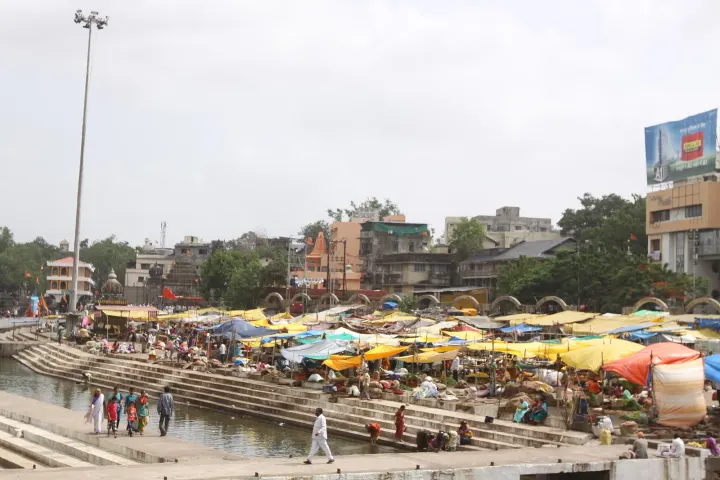
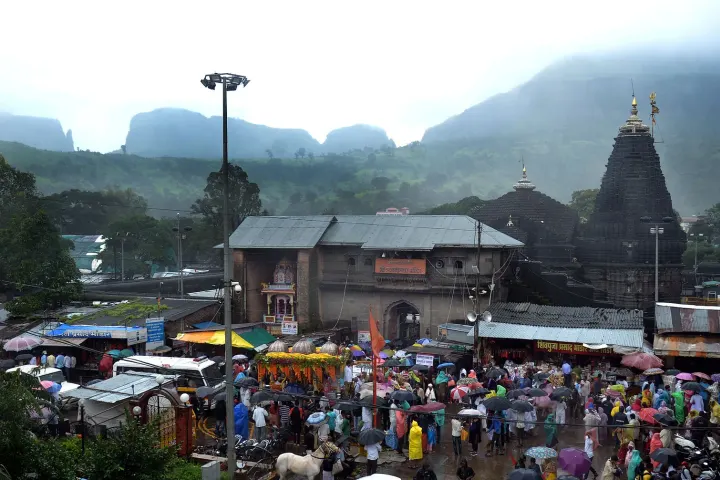
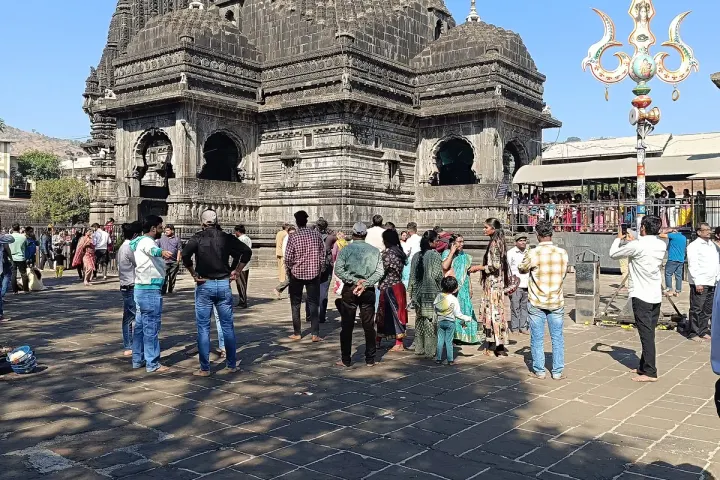
The pilgrimage geography includes Nashik’s Godavari-side sacred spaces and Trimbakeshwar with Kushavarta. They require different approaches and can have different event dates or crowd arrangements. In particular, the published third Amrut Snan is listed for 11 September in Nashik and 12 September at Kushavarta in Trimbakeshwar.
Choose which event and place you intend to visit before booking the hotel. Do not assume that a room advertised as near Kumbh is near your actual destination. Ask for the map pin and the likely permitted access route, while recognising that final traffic arrangements may be announced later. A short normal-day drive can become a different journey under managed access.
Book the actual property and preserve flexibility
Compare verified accommodation by location, room occupancy, total cost and cancellation conditions. A hotel’s ordinary description may not explain how arrivals work during the busiest dates. Ask the property about confirmed check-in access, luggage handling and the route from any designated drop-off or shuttle point.
Avoid paying an unknown intermediary merely because a listing claims official proximity or special access. Keep the accommodation confirmation and use recognised booking channels or verified property contacts. Our hotel guide provides established listings, but availability and event-period conditions must be checked for your dates. A room reservation does not include access to a ritual or restricted area.
Expect the transport plan to depend on official notices
The authority provides information channels for parking, park-and-ride, shuttles and local transport. Use the current notices when they are issued rather than relying on an old festival map or an ordinary navigation route. A private driver may not be permitted to reach the exact hotel or ghat entrance during managed periods.
Agree a meeting point and a fallback way to contact your group. Keep essential details offline and allow extra time for walking and checks. If travelling with children or someone who needs assistance, choose a route and date that match their needs. Do not turn a tightly timed flight or train connection into the final step of an uncertain crowd-day itinerary.
Plan for a religious gathering, not a spectacle alone
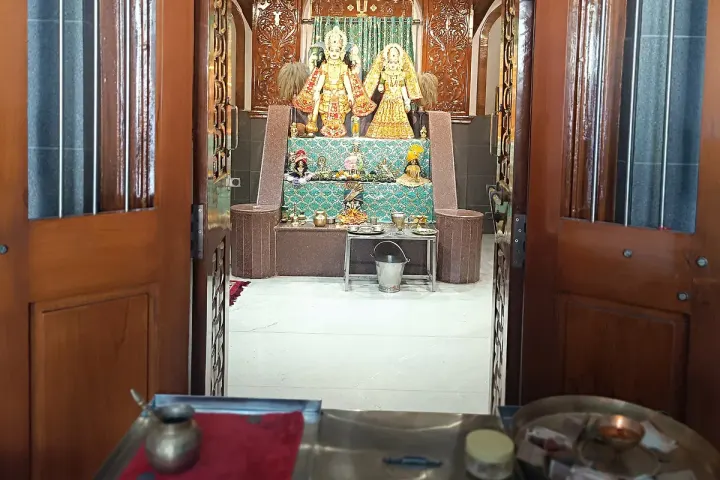
Visitors arrive with different intentions, from pilgrimage to cultural observation. Give worshippers space, follow the designated movement routes and respect photography restrictions. Avoid intrusive images of personal rites or people bathing. If participating in a service, understand the official arrangements and what is included before paying anyone.
Carry only what you can manage comfortably and follow the published prohibited-items guidance. For accessibility or medical needs, consult the authority’s current facilities and assistance information rather than assuming an ordinary sightseeing service is sufficient. A quieter date or a more limited visit may be a better choice for some travellers.
Why wine-country visitors should check the calendar too
A wine-focused trip can still be affected by regional room demand, road management and operating restrictions. Ask the estate and hotel how your dates interact with the event period. Do not assume that a tasting or alcohol service will operate normally on every religious or notified dry day; confirm the venue’s current position.
Keep wine experiences and sacred-site participation as distinct plans. If the purpose is a relaxed estate stay, another date may provide a simpler journey. If you want both cultural understanding and wine country, allow enough days and confirm each part separately rather than expecting one package to bypass the event’s practical constraints.
Use the authority for the latest event information
The official schedule and Snan calendar are linked in this guide’s sources. Check them for date or timing changes, and use the authority’s live updates and local police information for access. We do not invent muhurat times, crowd forecasts or guaranteed shuttle schedules. A date table cannot replace the final operational notice.
For ordinary sightseeing context, read Panchavati and Ramkund and Trimbakeshwar. For transport and accommodation choices, use the local journey guide and keep the event-specific arrangements as the final authority. Good planning here means knowing which details are stable and which must be checked again.
Background: why there are two bathing venues
The Nashik–Trimbakeshwar Simhastha follows a twelve-year cycle linked to Jupiter's position in Leo (Simha), which gives the event its name. Historically the fair was held at Trimbak alone. After a violent clash between Shaiva and Vaishnava ascetic groups in 1789, the Peshwa administration moved the Vaishnava groups to Nashik, where Ramkund became their bathing site; Shaiva groups continued to regard Trimbak and Kushavarta as the proper place. That history explains why the published third Amrut Snan falls on 11 September 2027 in Nashik and on 12 September at Kushavarta.
The scale is enormous. The previous edition, in 2015, ran from July to September and drew an estimated 30 million attendees. The 2003 edition was marked by a stampede in Nashik in which 39 pilgrims died, one reason why crowd management, designated routes and official instructions matter so much on bathing days. At our 4 November 2026 check the wider sequence had formally begun with the flag hoisting on 31 October 2026.
- Cycle: every 12 years, tied to Jupiter in Leo.
- Two venues: Ramkund in Nashik and Kushavarta in Trimbakeshwar, about 30 km apart by road.
- Previous edition: 2015, July–September.
- Current sequence: flag hoisting held on 31 October 2026; main Mela period 15 June–30 September 2027; closing on 24 July 2028.
Questions before you go
Is the main Mela in 2026, 2027 or 2028?
The authority lists a wider ceremonial sequence spanning those years, with the main Mela period from 15 June to 30 September 2027. The milestones are different events.
Is the third Amrut Snan on the same date in both places?
The published schedule lists 11 September 2027 in Nashik and 12 September 2027 at Kushavarta in Trimbakeshwar. Recheck the official calendar near travel.
Does a hotel booking include access to rituals?
No. Accommodation and religious services are separate arrangements. Check the official process for the service you want.
Does this page give live crowd or shuttle information?
No. It explains the published calendar and planning implications. Use the authority’s current updates and local notices for operational information.
Has the 2026–2028 Simhastha already begun?
Yes. The wider ceremonial sequence formally began with the flag hoisting on 31 October 2026. The main Mela period and the principal Amrut Snan dates are in 2027.
Sources & editorial notes
We use official tourism and heritage records, operator information and accommodation listings. The notes below list each publisher once; the full bibliography retains individual sources. A source check is not a live operating-status check.
- Nashik–Trimbakeshwar Kumbh Mela Authority ↗
- Nashik City Police ↗
- Shri Trimbakeshwar Devasthan Trust ↗
- Wikipedia ↗