Sources checked 3 November 2026 · Confirm your date with the provider
Some links are affiliate links. We may earn a commission on qualifying bookings at no extra cost to you. This does not determine your price or guarantee availability.
Choose the Nashik estate and the correct entrance
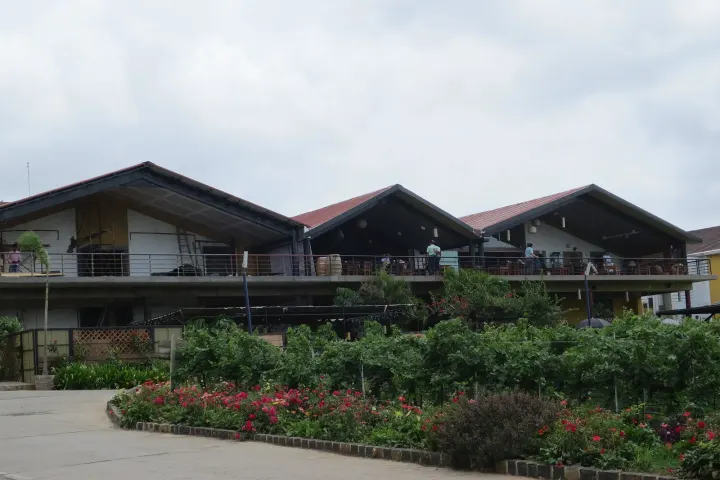
Sula’s Nashik visitor destination is in Maharashtra, in the western wine-country area associated with Govardhan and the Gangapur–Savargaon road. Its booking portal also contains other destinations, including Domaine Sula in Karnataka. Check the state and exact venue name before paying. A familiar company logo is not enough to identify the location of a session.
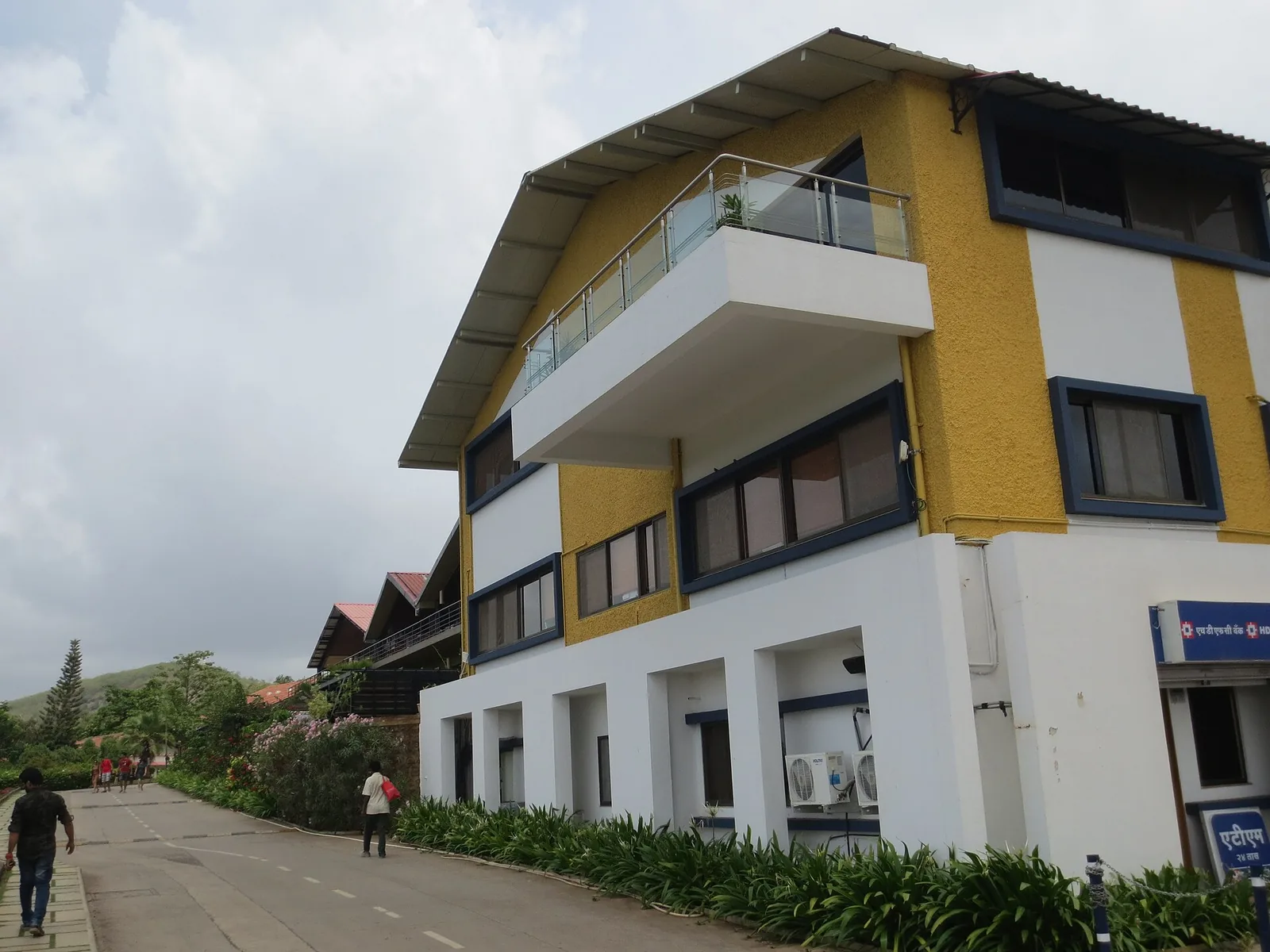
If you are staying at a Sula property, save the accommodation pin separately from the winery visitor entrance. The Source, The Haven and Beyond are distinct properties. Ask how you travel between the booked room and the activity, especially if you arrive without your own vehicle. Our accommodation-area comparison explains when an estate stay is worth the extra planning.
Understand the entry cover before spending it
At the 3 November 2026 check, the official Nashik day-entry portal advertised a ₹600 weekday cover and ₹1,000 weekend or festival cover. Treat these as a dated example and recheck the current checkout. The portal separates how the credit can be redeemed: part is restricted to wine and tastings, while another part can be applied to a wider set of purchases. It is not simply unrestricted cash back.
The same portal describes same-day use and conditions on refunds and partial redemption. Read those terms for the ticket you choose, especially if you mainly want lunch or do not drink. Do not subtract the whole face value from a restaurant bill in your budget unless the current rules allow it. Keep the entry coupon and receipts available until the staff confirms how the credit has been applied.
Choose the experience, not just entry
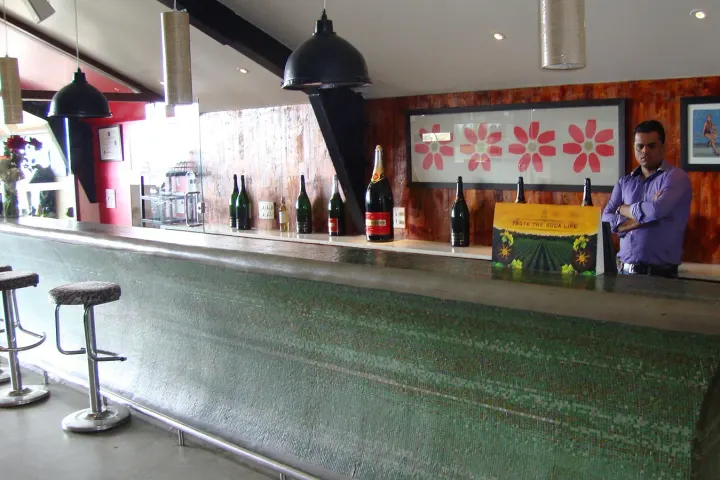
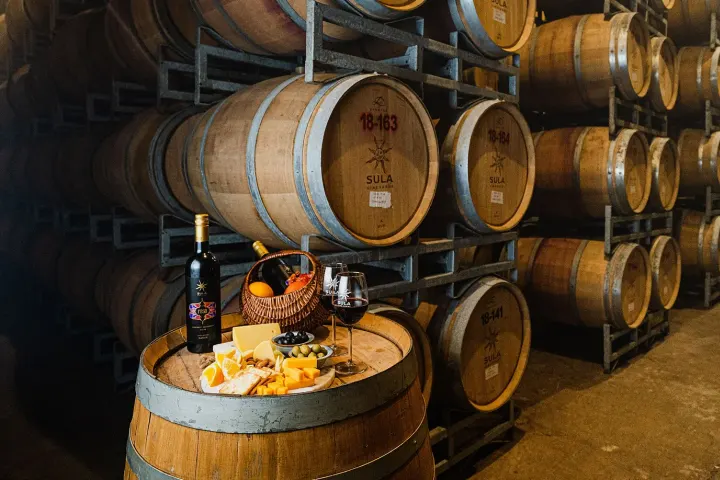
A production tour and a tasting serve different purposes. The tour explains how grapes become wine and introduces the working environment. A tasting focuses on a selection of pours and their characteristics. Sula’s official FAQ lists several formats, including personalised arrangements, but the available session, number of wines and price must be checked for your visit.
If you arrive through a GYG package, ask whether the operator has arranged a session or merely transport and entry. A statement that wine tasting is included should identify the actual format and any premium upgrades. If you want a particular language or a private session, obtain that confirmation before departure. A public tasting-room visit is not automatically a private guided tour of the entire estate.
Allow time for food without assuming a table
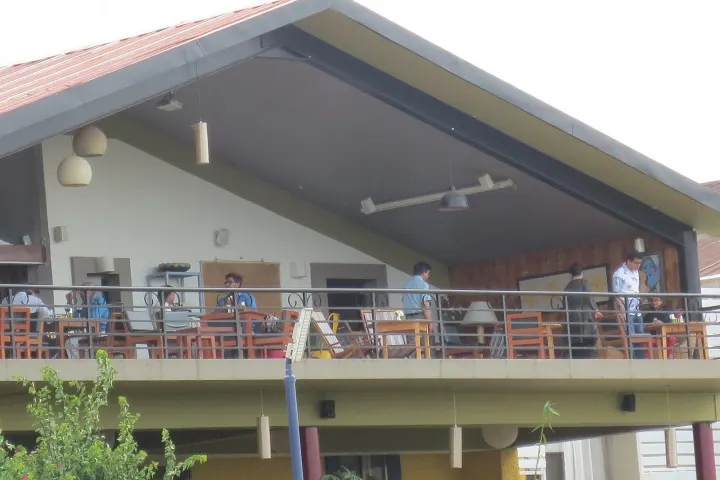
A winery visit is easier to enjoy with a proper meal and water, but the restaurant reservation is a separate practical matter. Ask which dining venue is operating and whether your intended time needs a booking. Check the current menu if the group has dietary restrictions. Do not rely on an old tour description’s restaurant name as proof that the same arrangement is available today.
Allow space between your appointment, lunch and the return transfer. A rushed meal before another distant winery can erase the benefit of staying in the area. Non-drinkers may prefer a shorter structured visit followed by scenery or hotel time. Families should check the venue’s child policy and the selected tour’s rules independently; admission to the grounds and participation in a tasting are different questions.
Harvest is a context, not a promised show
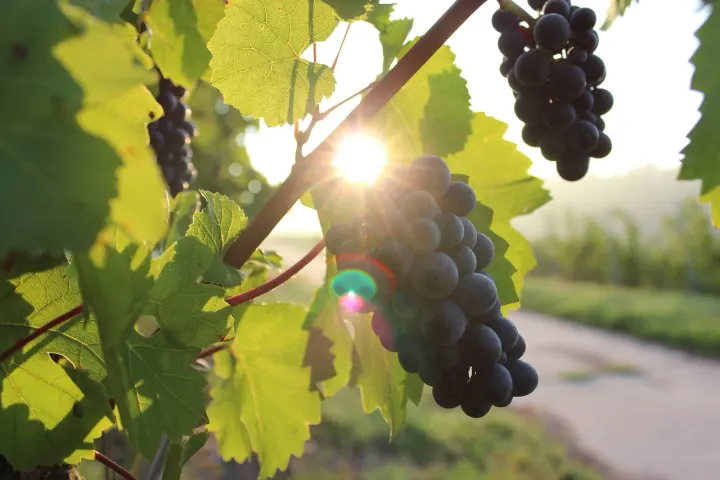
Sula places its harvest in the first quarter of the year, generally January to March. That can make a visit interesting for people who want to understand grapes and production, but actual fieldwork follows the crop. Do not assume grape-stomping, harvesting participation or a specific view of ripe vines is included in a normal admission ticket.
In wetter months, the landscape may be greener while outdoor walking is less predictable. Private events, festivals and dry days can also change what is available. Confirm event dates through the official venue before building a trip around them; this guide does not carry an invented annual festival schedule. For a broader view, read harvest-season planning and weather considerations.
Three Sula names to distinguish
The Source at Sula is the estate-oriented stay most directly associated with the vineyard experience. The Haven by Sula is a separate accommodation listing, and Beyond by Sula has its own reservoir-side setting and room or villa categories. Compare the specific room, address and facilities rather than deciding from the Sula name alone.
Booking.com rates can differ in breakfast, refund rules and occupancy. A lake view, private pool or tasting benefit must belong to the category and rate you select, not merely appear somewhere in a property’s photo gallery. We link all three separately below. If you plan multiple cultural outings, also compare a city hotel with one dedicated winery transfer; the cheaper-looking room is not always the cheaper complete trip.
Finish with a confirmed way home
Arrange the return driver or pickup before you begin tasting. If using a taxi app, do not treat the existence of the app as a promise of a car waiting at the estate when you want one. A pre-arranged transfer should specify the waiting time, pickup point and any overtime charge. Keep your hotel details offline and agree where you will meet if mobile reception is unreliable.
Bring identification and follow the venue’s current alcohol-service and permit requirements. The legal framework is not well represented by a single age number copied from a travel blog. Ask the licensed venue about the rules that apply to you, decline alcohol when appropriate and never drive after tasting. Use the complete-quote checklist to compare the visit without missing mandatory costs.
Background: how Sula shaped Nashik wine country
Sula Vineyards was founded in 1999 by Rajeev Samant, who returned from a career in California's technology industry to plant wine grapes on family land near Nashik. Its success helped turn the district, long known for table grapes, into India's best-known wine region: by 2013, 22 of the country's 46 wineries were in the Nashik area.
Sula works with a range of varieties, among them Chenin Blanc, Sauvignon Blanc, Riesling, Viognier, Shiraz, Cabernet Sauvignon, Zinfandel and Tempranillo. If you are new to Indian wine, ask the host to include one white and one red grown locally, so that the tasting tells you something about the region rather than only about the brand.
- Founded: 1999, by Rajeev Samant.
- Region: by 2013, 22 of India's 46 wineries were in the Nashik area.
- Varieties include Chenin Blanc, Sauvignon Blanc, Riesling, Viognier, Shiraz, Cabernet Sauvignon, Zinfandel and Tempranillo.
Questions before you go
Does paying entry guarantee a tasting session?
No. Check whether your entry purchase includes the session you want or provides credit redeemable against it. Confirm the time, format and current redemption conditions.
Is the entry cover fully redeemable against any meal?
Do not assume so. The official portal divides credit into categories, with restrictions on part of the amount. Read the current terms before budgeting for lunch.
Are The Source, The Haven and Beyond the same hotel?
No. They are separate properties with different addresses and accommodation choices. Match the booking confirmation to the intended property and arrange transfers where needed.
Can I see the harvest whenever I visit in January–March?
The period is a general crop-season guide. Specific harvesting work and visitor activities depend on the estate and date; ask what your booked experience actually includes.
When was Sula founded?
In 1999, by Rajeev Samant. It became the best-known name in a district where, by 2013, 22 of India's 46 wineries were located.
Sources & editorial notes
We use official tourism and heritage records, operator information and accommodation listings. The notes below list each publisher once; the full bibliography retains individual sources. A source check is not a live operating-status check.
View the source bibliography →